
Continues After Advertisement
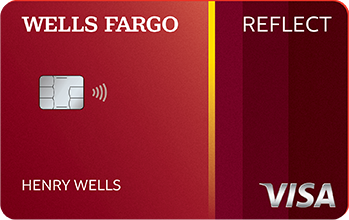
The Wells Fargo Reflect Card is best understood as a “time-buying” credit card. Instead of focusing on points or cashback, it focuses on what many people need when they’re trying to manage a balance or plan a large expense: a long runway with 0% intro APR. In other words, it’s designed for strategy and structure, not for maximizing rewards.
By clicking the button, you will be redirected to an external site.
That said, the card only becomes valuable when you use it with a clear plan. Below is a neutral, editorial breakdown of the main benefits, the right user profiles, how it compares within the Wells Fargo lineup, and the most common questions people ask before applying.
Advertisement
Advertisement
MAIN BENEFITS
The headline feature is simple: 0% intro APR for up to 21 months from account opening on purchases and qualifying balance transfers. After the intro period ends, a variable APR applies.
Just as importantly, the annual fee is $0, which helps keep fixed costs low while you focus on paying down what you owe.
If you’re considering a balance transfer, there’s a key detail: balance transfers typically need to be completed within 120 days of opening the account to qualify for the intro APR, and the balance transfer fee is commonly listed as 5% (minimum $5). Therefore, while you may save on interest, you should still factor in that upfront transfer cost.
There are also secondary perks that may matter depending on your habits. For example, the card is often promoted with cell phone protection (when you pay your monthly wireless bill with the eligible card), and it may include access to My Wells Fargo Deals, where you can activate targeted merchant offers that can convert into statement credits when you meet the terms.
On the flip side, it’s important to be clear about what you don’t get: this card is typically positioned as a product without an ongoing rewards program. So, the “return” you’re aiming for is interest savings, not points or cashback.Finally, if you frequently spend outside the U.S., note that it’s commonly associated with a foreign transaction fee (often cited as 3%), which can make it less attractive for international purchases.
WHO THIS CARD IS FOR
This card tends to fit best when your goal is specific and measurable. In practice, it’s usually a strong match for these situations.
- If you’re carrying higher-interest credit card debt elsewhere, a balance transfer can be a disciplined way to reduce interest costs and focus on principal. That said, the strategy only works if you can realistically pay the balance down during the intro window and account for the transfer fee upfront.
- If you’re planning a large purchase and you want predictable payments for a while, the intro APR can function like a structured “interest-free timeline.” However, this only helps if you avoid overspending and consistently pay more than the minimum so the balance actually decreases.
- If you prefer simplicity, the Reflect can be appealing because it isn’t built around category tracking, rotating bonuses, or complicated redemption rules. Instead, it gives you one core advantage—time—and lets you focus on execution.
On the other hand, if you want a long-term everyday spending card for ongoing rewards, this product may feel limited. Since it typically doesn’t offer continuous cashback or points, many people consider pairing it with a rewards card once the intro period ends.
HOW IT DIFFERS FROM OTHER WELLS FARGO CARDS
A helpful way to compare cards is to compare purpose, not marketing language. Within Wells Fargo’s lineup, the Reflect is usually the long intro-APR option, while other cards lean more toward everyday rewards.
For example, the Wells Fargo Active Cash is commonly framed as a daily-use card because it offers ongoing cashback. So, if your top priority is a long 0% runway, the Reflect tends to stand out; if your priority is consistent rewards after the intro period, Active Cash-style cards may be more practical.
More broadly, reward-focused cards aim to pay you back gradually through spending. By contrast, the Reflect aims to help you save money in a concentrated window by reducing interest. That difference matters because it changes how you measure value.
Another nuance worth understanding is the wording “up to 21 months.” Some explanations describe the offer as a base period with a possible extension if certain payment conditions are met. So, it’s smart to read the terms closely so you know exactly what’s required to maximize the full intro window.
Also, balance transfer fees can change the math. A 5% transfer fee can be meaningful on a large balance. Therefore, depending on your balance size and payoff speed, a different card with a shorter 0% period but a lower transfer fee could sometimes be cheaper overall. The best choice depends on your timeline and monthly payment ability.
Finally, if you travel or buy internationally, a foreign transaction fee can be a real drawback. In that case, the Reflect can still work as a debt/payoff tool, while a no-foreign-fee card handles international spending.
FREQUENTLY ASKED QUESTIONS
Do all credit cards charge an annual fee?
No. Many cards do, but plenty don’t. This one is typically listed with a $0 annual fee, which can be helpful if you want to keep the account open without paying a fixed yearly cost.
How long is the 0% intro APR period?
It’s commonly advertised as 0% intro APR for up to 21 months from account opening on purchases and qualifying balance transfers. Because offers can change, it’s smart to confirm the exact terms on the official page before you apply.
Is there a balance transfer fee?
Yes. It’s commonly listed as 5% (minimum $5). In addition, transfers are often expected to be completed within 120 days to qualify for the intro APR, so timing matters if you want the promotional rate.
Does it earn points or cashback?
It’s generally positioned as a card without ongoing rewards. The main value is typically the long 0% intro APR window, which can be useful for a planned purchase or a structured payoff strategy.
Does it charge foreign transaction fees?
It’s commonly associated with a foreign transaction fee (often cited as 3%). If you travel or shop internationally, this fee can add up, so it’s worth considering a card that doesn’t charge it.
How does cell phone protection work?
It’s often described as coverage that may apply when you pay your monthly phone bill with the eligible card. As with most protections, it’s subject to terms, limits, deductibles, and exclusions, so it’s best to review the benefit guide for the specifics.
What’s the smartest way to use this card?
A simple approach works best. If you’re financing a planned purchase, divide your total by the intro months and treat that number as your “minimum planned payment,” not the issuer’s minimum payment. If you’re transferring a balance, include the transfer fee in your payoff plan and aim to finish well before the intro period ends.
Conclusion
The Wells Fargo Reflect Card is often strongest for people who want to reduce interest costs with a long 0% intro period and who are ready to follow a payoff plan. However, it usually isn’t the best pick for everyday rewards, since the long-term value is tied more to interest savings than to points or cashback.
To apply for the Wells Fargo Reflect Card, visit the bank’s official website and follow the instructions. Click the button below to go to the official site and start your application safely.
This article is informational and does not provide financial advice. We are not the bank and do not represent Wells Fargo. Rates, fees, eligibility rules, and benefits can change. Always confirm the latest terms on the issuer’s official website before applying. Approval is subject to credit review and issuer policies.
By clicking the button, you will be redirected to an external site.